When comparing supervooc vs warp charge and FlashCharge, the biggest secret is that Oppo (SuperVOOC), OnePlus (Warp/Dash Charge), and Realme (Dart/VOOC) are all owned by the same parent company: BBK Electronics. Their chargers use the exact same underlying technology and are 100% cross-compatible. Vivo’s FlashCharge is also under the BBK umbrella but uses slightly different voltage/amperage configurations, meaning it is not fully cross-compatible with the others at maximum speeds.
If you have ever shopped for a fast charger for a Chinese flagship phone, the marketing jargon can be overwhelming. You will see terms like SuperVOOC, Warp Charge, Dart Charge, and FlashCharge thrown around as if they are completely different technologies.
At TechTouch, we get this question daily: “Can I use an Oppo charger on my OnePlus phone?“ or “Why doesn’t my Vivo charge quickly with a Realme adapter?“
To rank these adapters and figure out exactly what you should buy, you have to look past the marketing names and understand the engineering inside the brick. Here is the ultimate demystification of the BBK Electronics charging ecosystem.
he Big Secret: The BBK Electronics Name Game
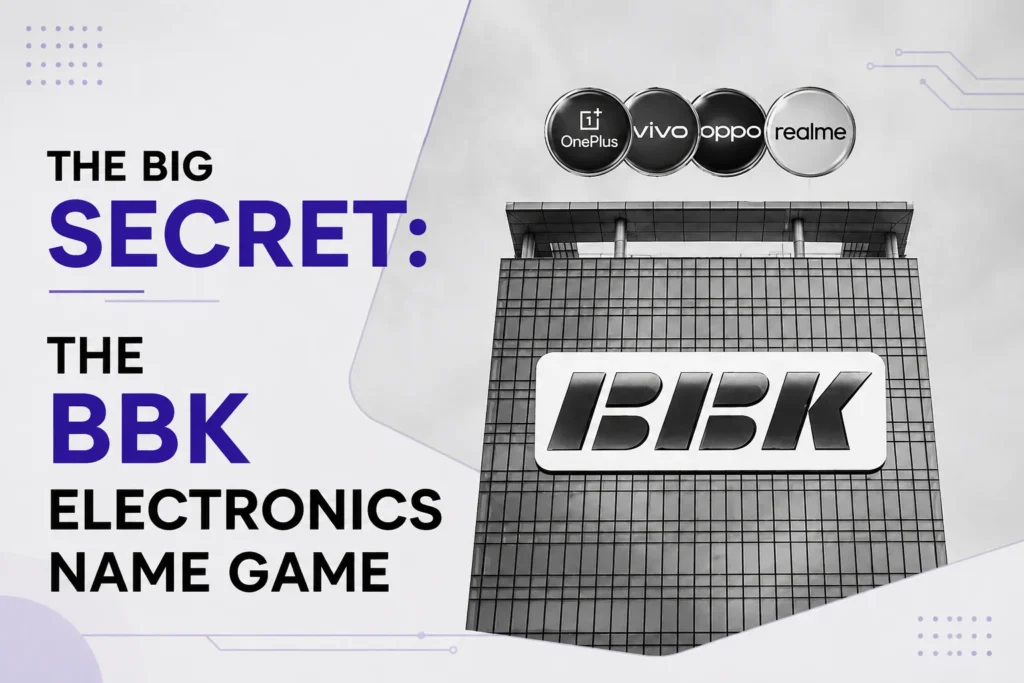
To understand why these chargers look and act so similarly, you need to know who makes them. Oppo, OnePlus, Realme, and Vivo are all sister companies operating under a massive tech conglomerate called BBK Electronics.
In 2014, Oppo revolutionized the smartphone industry by inventing VOOC (Voltage Open Loop Multi-step Constant-Current Charging). It was a massive breakthrough in battery tech. As BBK launched new sub-brands aimed at different demographics, they simply took Oppo’s VOOC technology and rebranded it for marketing purposes:
- Oppo: VOOC / SuperVOOC
- OnePlus: Dash Charge / Warp Charge
- Realme: SuperDart / Dart Charge (Now transitioning back to just “SuperVOOC”)
Because these three brands share the exact same R&D pipeline, their chargers are identical on the inside.
The Science: High Current vs. High Voltage
Why are these proprietary chargers different from a standard Apple or Samsung charger? The difference comes down to how they handle heat.
Standard USB Power Delivery (USB-PD) chargers push power by increasing the voltage (e.g., 20V/2A to reach 40W). When that high voltage hits your phone, the phone’s internal motherboard has to convert it down to a safe battery level (around 4.4V). That conversion process generates a massive amount of heat inside your phone, which damages the battery over time.
Oppo’s SuperVOOC technology does the exact opposite. It uses Low Voltage and High Current (e.g., 10V/6.5A to reach 65W).
The heavy lifting and voltage conversion happens inside the charging brick itself. That is why an original OnePlus or Oppo charger is physically heavier than a standard adapter. The heat stays in the wall outlet, leaving your phone completely cool even if you are playing high-end games while charging at 65W.
Cross-Compatibility: Can You Mix and Match?
Because SuperVOOC, Warp Charge, and Dart Charge are literally the same technology in different plastic casings, they are 100% cross-compatible.
When you plug a Realme phone into a OnePlus brick, the brick and the phone execute the exact same proprietary handshake.
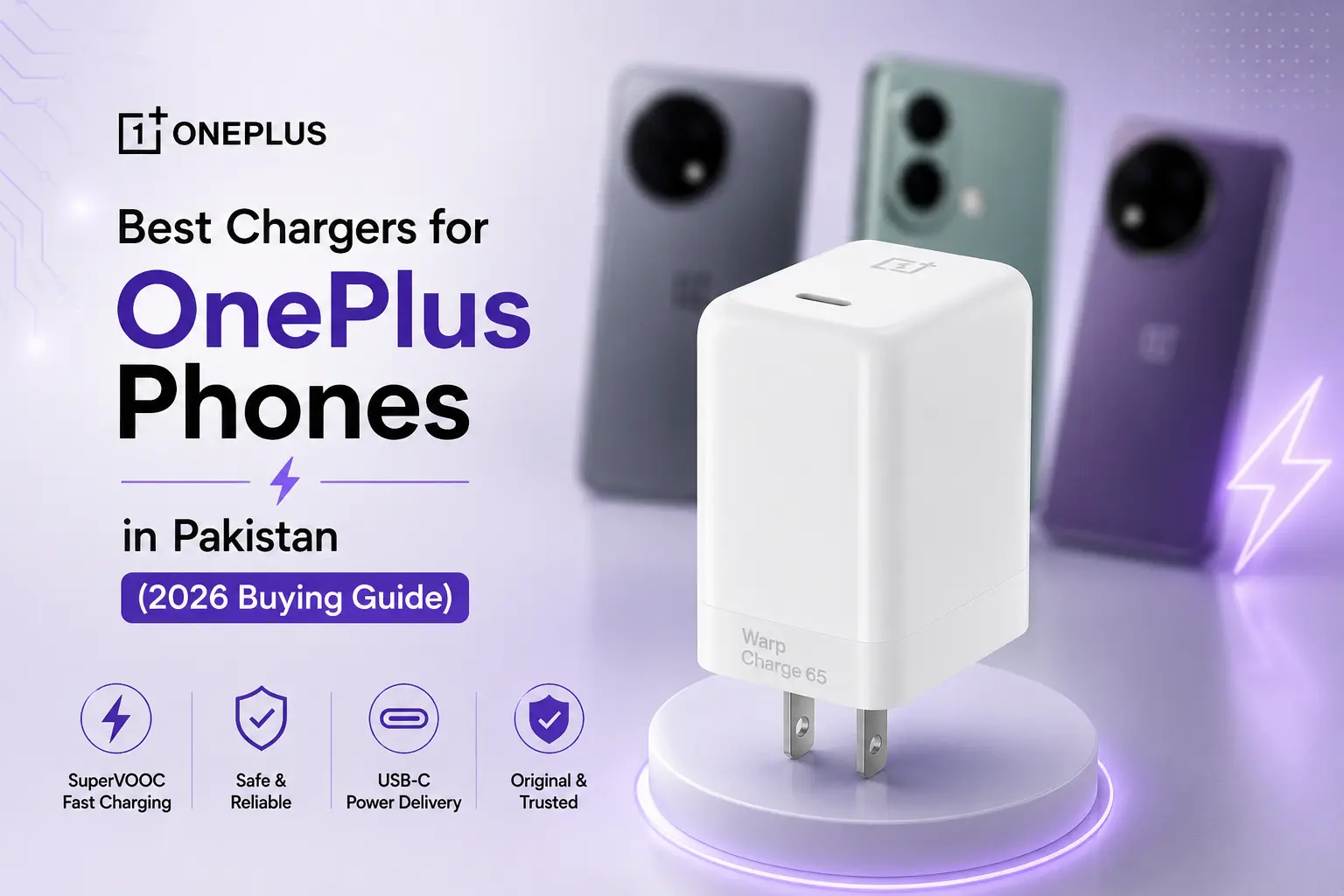
- Flagship Speeds (65W+): If you own a OnePlus 8T or OnePlus 9, the OnePlus 65W Warp Charge in Pakistan will work flawlessly to deliver maximum speed. If you plug an Oppo Find X3 into this same OnePlus charger, it will instantly recognize it as a SuperVOOC source and charge at 65W.
- Mid-Range Speeds (30W): If you have an older OnePlus 7 Pro or a Realme 6, you can buy the OnePlus 30W Wrap Charger in Pakistan or the Realme 30W VOOC Fast Charging Adapter. They will yield the exact same charging times and thermal performance on either device.
FlashCharge: Why Vivo is the Odd One Out
You might have noticed that we left Vivo out of the cross-compatibility list. Even though Vivo is owned by BBK Electronics, they run their research and development independently.
Vivo developed FlashCharge. While it follows the same philosophy of keeping the heat in the charging brick, it uses a slightly different mathematical configuration for its voltage and amperage (e.g., 11V/3A for 33W, or 11V/6A for 66W).
If you take an Original VIVO 33W FlashCharge 2.0 and plug it into a OnePlus phone, the proprietary handshake will fail. The adapter will revert to a standard, safe charging speed (usually 10W to 18W).
Key Takeaway: Oppo, OnePlus, and Realme chargers can be safely swapped with zero speed loss. Vivo chargers must only be used with Vivo or iQOO smartphones.
The Golden Rule: The Proprietary Cable
You cannot trigger any of these fast-charging protocols without the correct cable. This is the biggest bottleneck we see customers face at TechTouch.pk.
Standard Type-C cables are designed to carry a maximum of 3 Amps. SuperVOOC and Warp Charge require 6.5 Amps of current. If you try to push 6.5A through a standard 3A cable, the wire will melt and start a fire.
To prevent this, BBK engineers added an extra hardware pin inside the USB-A side of their official cables. When you plug your phone in, the charger checks for that 5th pin. If the cable does not have it, the charger refuses to output 65W. You must pair your adapter with an authentic red Warp cable, white SuperVOOC cable, or yellow Dart cable.
Which Charger Should You Buy?
If you need a replacement charger, your path forward is simple:
- For Oppo, OnePlus, and Realme: You have the freedom to shop across brands. If the official OnePlus 65W charger is out of stock, buy the Oppo 65W SuperVOOC charger. Your phone will not know the difference.
- For Vivo: You must stick to the FlashCharge ecosystem. Buy an original Vivo-branded brick to guarantee maximum speeds.
Counterfeit versions of these proprietary chargers are incredibly dangerous because they lack the thermal management chips that define the VOOC architecture. At TechTouch, we guarantee the originality of our BBK ecosystem chargers, ensuring your battery stays cool and your charging times stay under 40 minutes.
Source of the Article :
gotunez.com : Fast Charging Vs Flash Charging: Which is Better?
tinkervault.com : Tinker Vault is a practical guide to USB charging technology, 3D printing, and DIY electronics.